{{ 'fb_in_app_browser_popup.desc' | translate }} {{ 'fb_in_app_browser_popup.copy_link' | translate }}

{{ 'in_app_browser_popup.desc' | translate }}

MENU CART {{currentCart.getItemCount()}}
The maximum number of items is 100, please adjust the quantity and purchase again

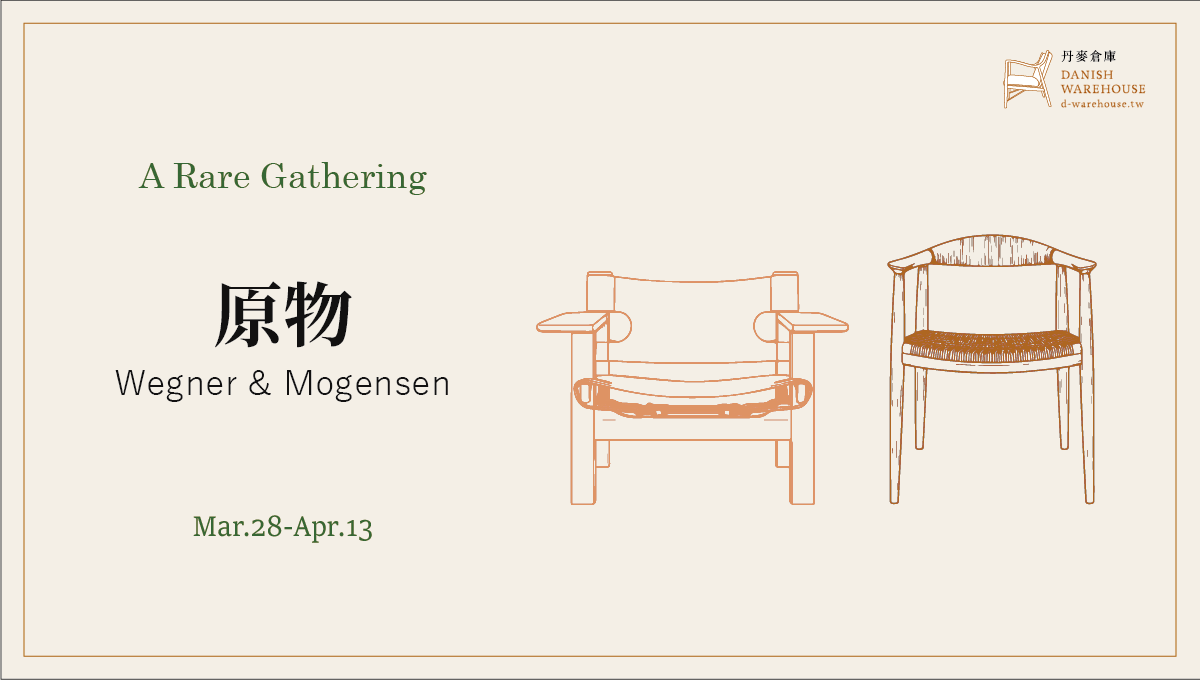
A Rare Gathering  - Wegner & Mogensen

Exhibition Period | 2026.3.28 – 2026.4.13 Fri–Mon
Hours | 11:00 – 18:30 By appointment
Venue | No. 31, Lane 128, Section 3, Roosevelt Rd., Zhongzheng District, Taipei


Over many years working in Scandinavian furniture, we have handled thousands of objects. People often ask us whether there are any pieces we would want to keep for ourselves and no longer sell.

We usually answer that almost all furniture can continue to circulate, with only a small number of exceptions. Among ourselves, we use a very simple word to refer to them — artifacts.

By artifacts, we mean objects that have a direct connection to design history or to the designers themselves. They are not necessarily the rarest models, nor are they made from the most expensive materials, but each one corresponds to a specific historical moment. Once these conditions are established, the furniture itself may not look very different from other pieces, but its position in time has already changed.

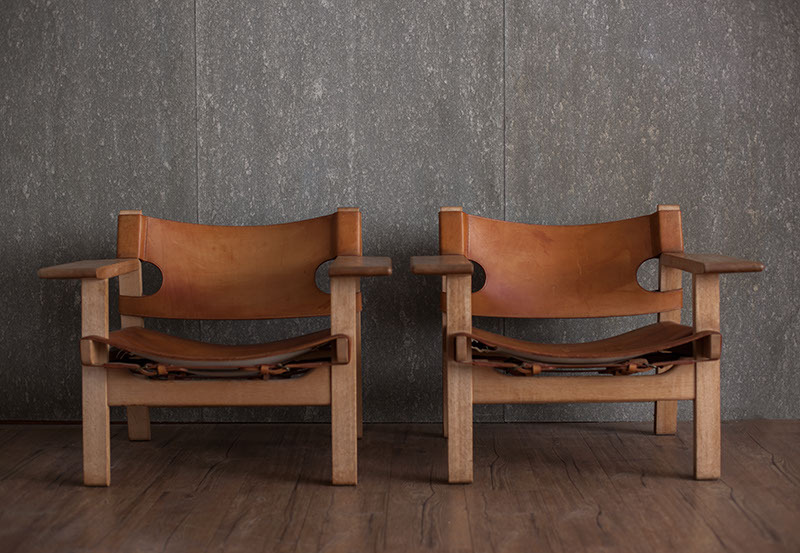
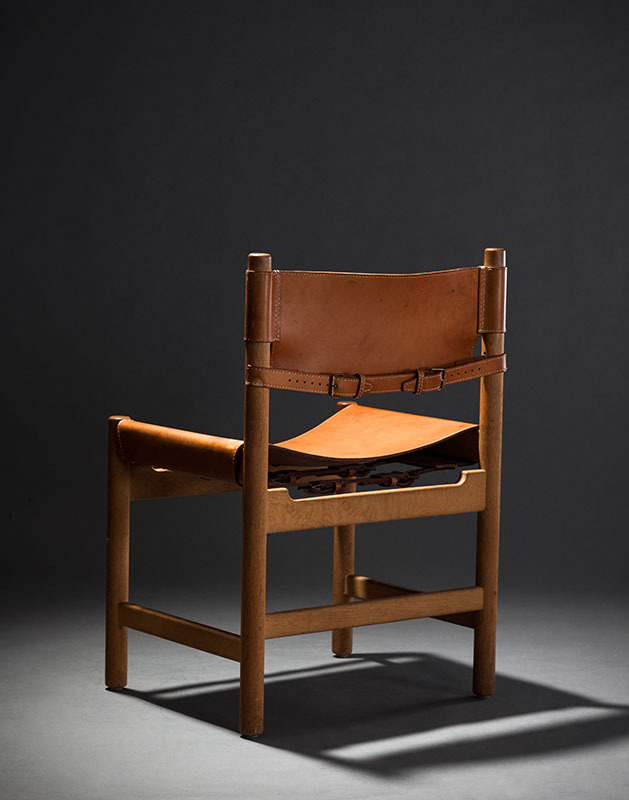
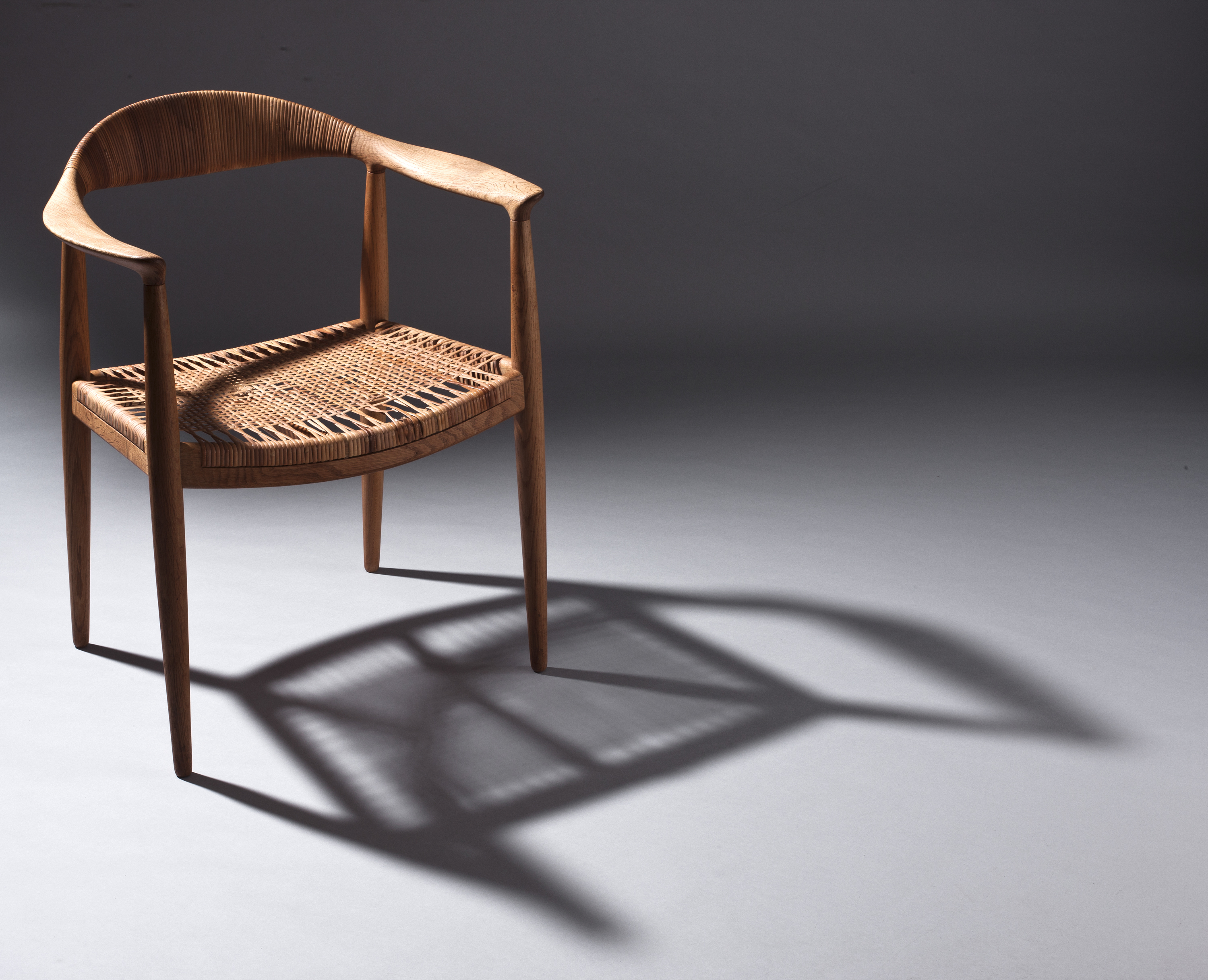
Over the years, we have had the opportunity to collect a few such pieces: the prototype of The Chair first presented in 1949, and the Spanish Chair along with several other chairs that Børge Mogensen used for many years in his own home. These were originally furniture made to be used, but after they came into our collection, we no longer used them in daily life. This is not because they became particularly fragile, but because we gradually realized that they also record a certain history of design and everyday life.

For this reason, after entering our collection, these pieces have mostly been kept in spaces not open to the public. They have rarely been exhibited, and even many friends who have known us for years may not be aware of their existence. They are like objects that have temporarily left circulation, placed in a quieter position for a period of time.

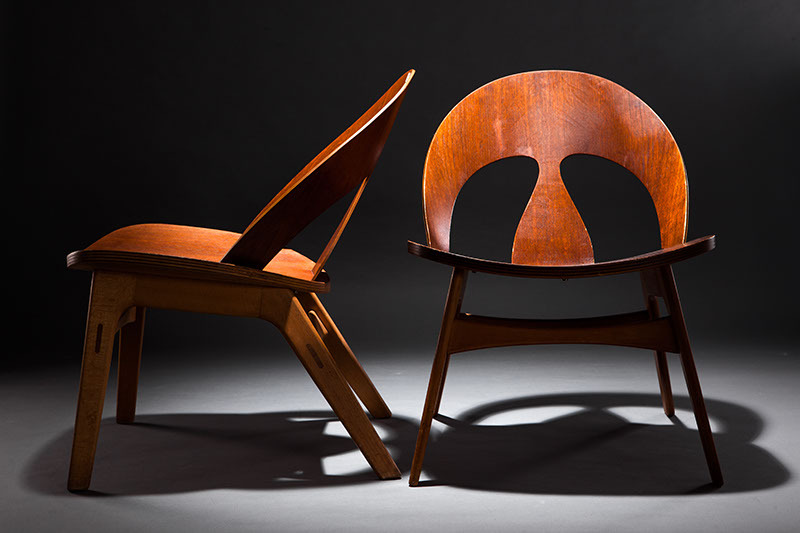
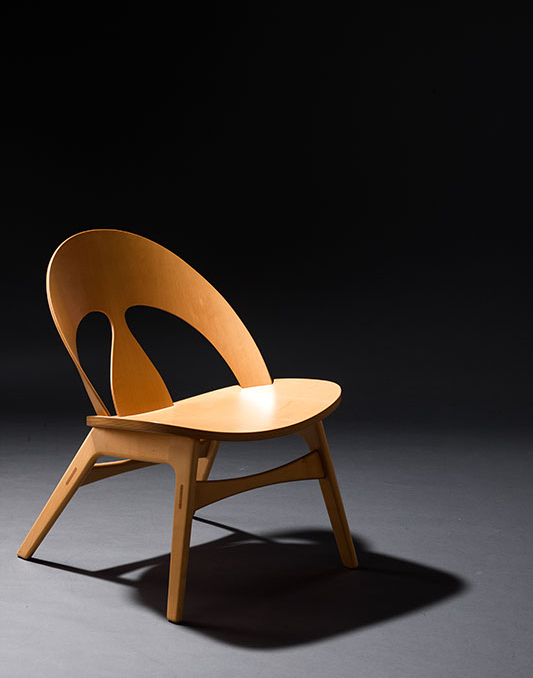
This spring, we decided to bring these pieces out and exhibit them. Through more complete documentation and display, it is possible to see the adjustments and changes from prototype to mass production, and also to understand how designers used their own furniture in daily life. At the same time, among the other works on display, one can also see the historical context and furniture styles of the period of the Cabinetmakers’ Guild Exhibitions.

Later, we often began to use another even simpler word to understand these pieces: original objects.
They are not merely a model or a design, but objects that still carry a specific time and context.

This exhibition presents a number of these original objects.